Other proceedings

Hearing on reparations in the Yekatom and Ngaïssona case on 1 October 2026 – Practical Information

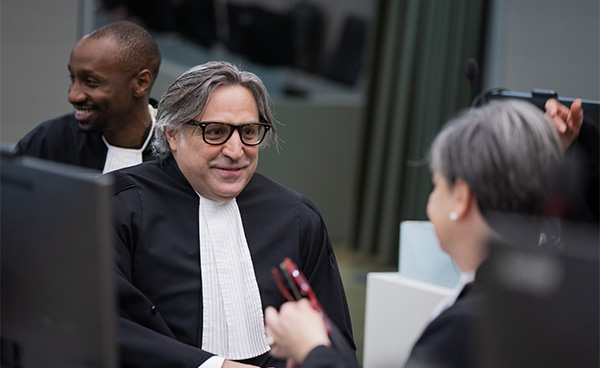
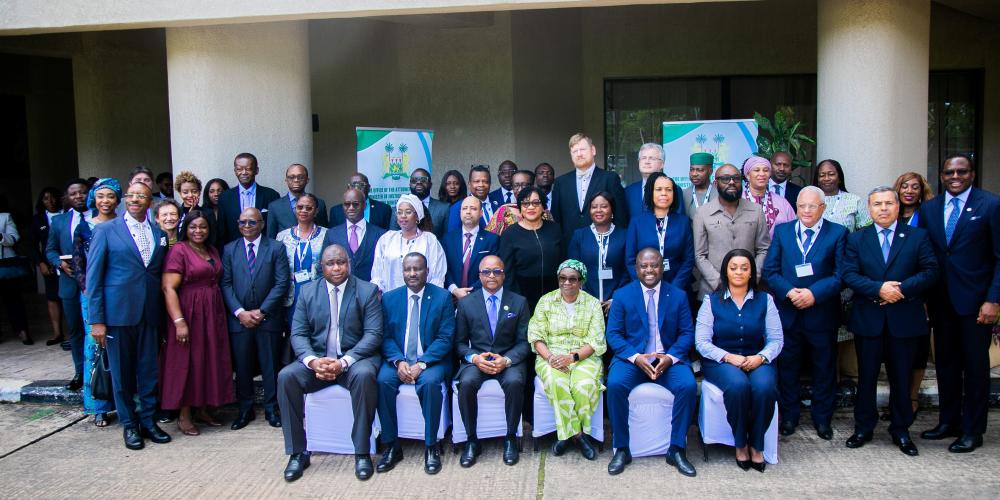
Photo: Some of the participants to the ICC Training for Counsel held on 22-24 September 2026 at ICC premises and online ©ICC-CPI

ICC concludes three-day hybrid Training for Counsel

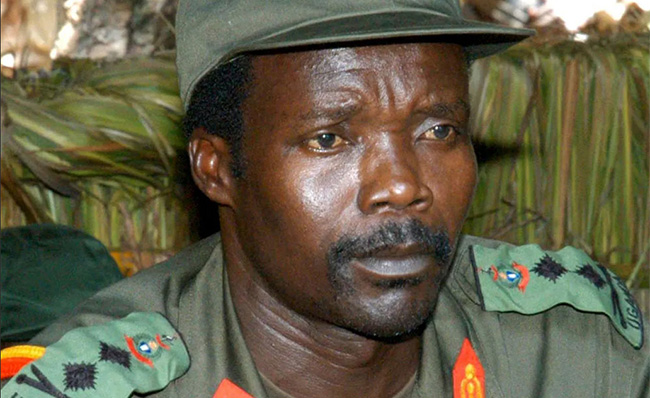
Mahamat Said Abdel Kani at the hearing held on 23 September 2026 for the delivery of the verdict at ICC headquarters ©ICC-CPI

Mahamat Said Abdel Kani found guilty of crimes against humanity committed in Central African Republic

Statement of the ICC Office of the Prosecutor

Statement of the ICC Office of the Prosecutor on the conviction of Mr Mahamat Said Abdel Kani

Gender Equality and Enabling Environment Strategy for the International Criminal Court 2026-2029

International Criminal Court Launches New Gender Equality and Enabling Environment Strategy 2026–2029

    • 0
    • 1
    • 2
    • 3
    • 4

About the Court

About the Court

The International Criminal Court (ICC) investigates and, where warranted, tries individuals charged with the gravest crimes of concern to the international community: genocide, war crimes, crimes against humanity and the crime of aggression. As a court of last resort, it seeks to complement, not replace, national Courts. Governed by an international treaty called the Rome Statute,
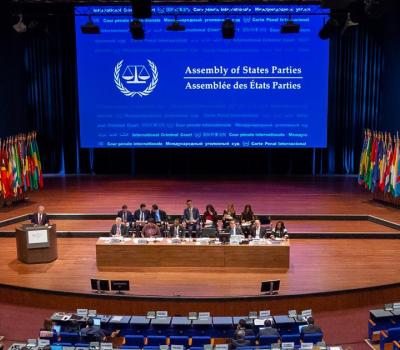
States Parties
States Parties

The Assembly of States Parties ("the Assembly") is the Court's management oversight and legislative body and is composed of representatives of the States which have ratified or acceded to the Rome Statute.

Trust Fund For Victims

The TFV contributes to realising the pillars of reparative justice of the Rome Statute through measures that recognise and redress the harm caused on victims and their families, by crimes under the jurisdiction of the International Criminal Court, namely,  genocide, crimes against humanity, war crimes and the crime of aggression.

Today in the courtroom

Court Calendar