
Regional seminar on strengthening cooperation and complementarity held in Sierra Leone
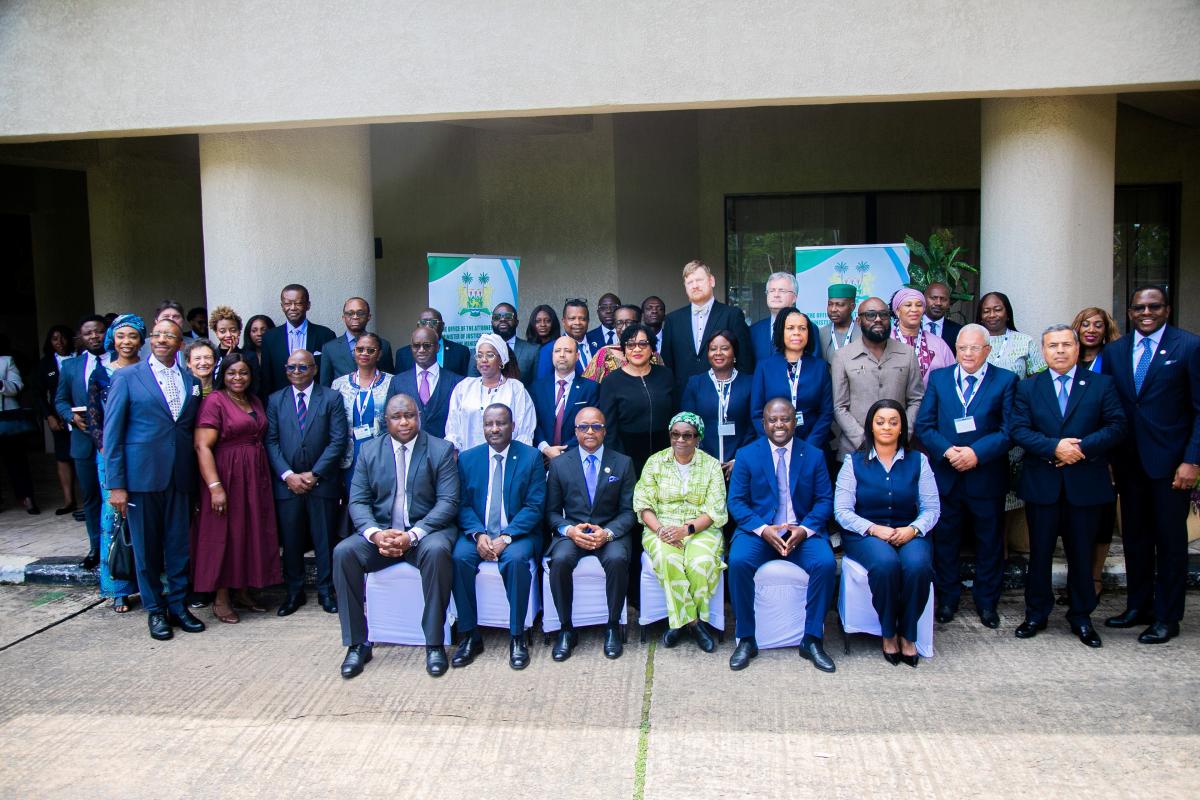
On 22 and 23 October 2026, a Regional Seminar entitled "Strengthening Cooperation and Complementarity with the International Criminal Court: A Partnership in Fighting Impunity for the Gravest Crimes under International Law" was held in Freetown, Sierra Leone. The seminar was co-organised by the International Criminal Court (ICC) and the Government of the Republic of Sierra Leone, with the financial support of the European Union.
The event brought together representatives from Benin, Côte d'Ivoire, The Gambia, Guinea-Bissau, Mauritania, Nigeria, Senegal, Sierra Leone and Tunisia, as well as officials of the International Criminal Court and the Trust Fund for Victims (TFV), representatives of international and regional organisations, civil society, and the international criminal justice community.
Participants exchanged experiences and discussed practical approaches to strengthening international criminal justice mechanisms at the national, regional and international levels. The discussions focused on enhancing regional cooperation, combating impunity for the gravest crimes under international law, and reinforcing support for the ICC at a time of significant challenges for the Court.
"Sierra Leone remains a committed State Party. We will cooperate with the Court as the law requires. We will strengthen our own courts so that the Court is needed less," said H.E. Alpha Sesay Esq, Attorney General and Minister of Justice of Sierra Leone. "The Court has continued to investigate, to hold trials, to deliver judgments and to advance reparations. This resilience shows both the courage of its officials and the enduring truth of the Rome Statute vision, that no one is above the law and that justice for the most serious crimes is indispensable to lasting peace."
Opening the event, ICC Second Vice-President Judge Reine Adélaïde Sophie Alapini-Gansou stated : “The fight against impunity does not rest on the ICC alone. Governments, national courts, prosecutors, regional organisations such as ECOWAS and the African Union, and civil society are all part of the same system. The exchanges in Freetown have shown how much West Africa can achieve when these actors work together and try to find ways to improve the Rome Statute system for the sake of the victims of atrocity crimes.”
“The TFV was pleased to discuss with domestic authorities from the regional efforts to reinforce reparative justice in Africa. In our discussions, we agreed that justice does not end with a conviction. While judgments establish responsibility for past crimes, reparations help victims rebuild their lives and make accountability meaningful. Yet reparations remain too often overlooked,” Mr Ibrahim Sorie Yillah, Member of the Board of Directors of the Trust Fund for Victims, said at the event. “They happen where victims live and depend on the commitment of States, which bear the primary responsibility for ensuring effective remedies and reparation. Strong national mechanisms are therefore essential. Whenever we speak of accountability, reparations must be part of the agenda, backed by cooperation, political will and financial resources. The Seminar will contribute to action, as victims cannot wait,” he added.
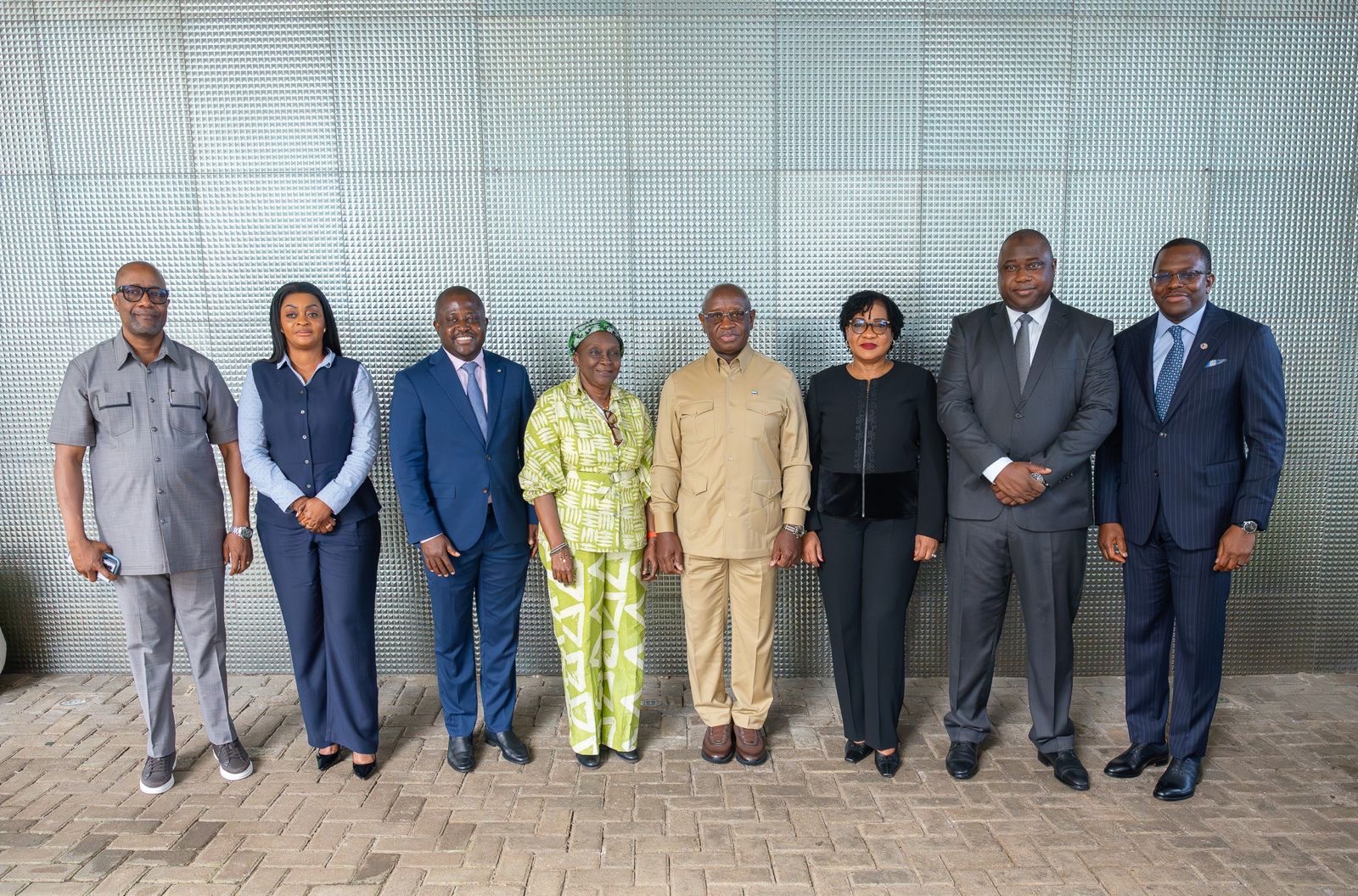
On the margins of the event, ICC Vice-President Judge Reine Alapini-Gansou and ICC Judge Miatta Maria Samba, together with the Chair of the Board of Directors of the Trust Fund for Victims, Andres Parmas, and TFV Board Member Ibrahim Sorie Yillah, were received by the President of Sierra Leone, H.E. Julius Maada Bio.
The Regional Seminar forms part of broader efforts to further advance cooperation with the ICC and enhance global support for the Court. The Court is grateful to the European Union for its generous financial support of the Seminar. The Court also wishes to thank the Government of the Republic of Sierra Leone for its invaluable partnership, hospitality, and support in the organisation of this event.
For further information, please contact the ICC Public Affairs Unit: PublicAffairs.Unit@icc-cpi.int . You can also follow the Court’s activities on Twitter/X, Facebook, YouTube, Instagram and Flickr.