
The ICC strongly rejects US sanctions against the institution
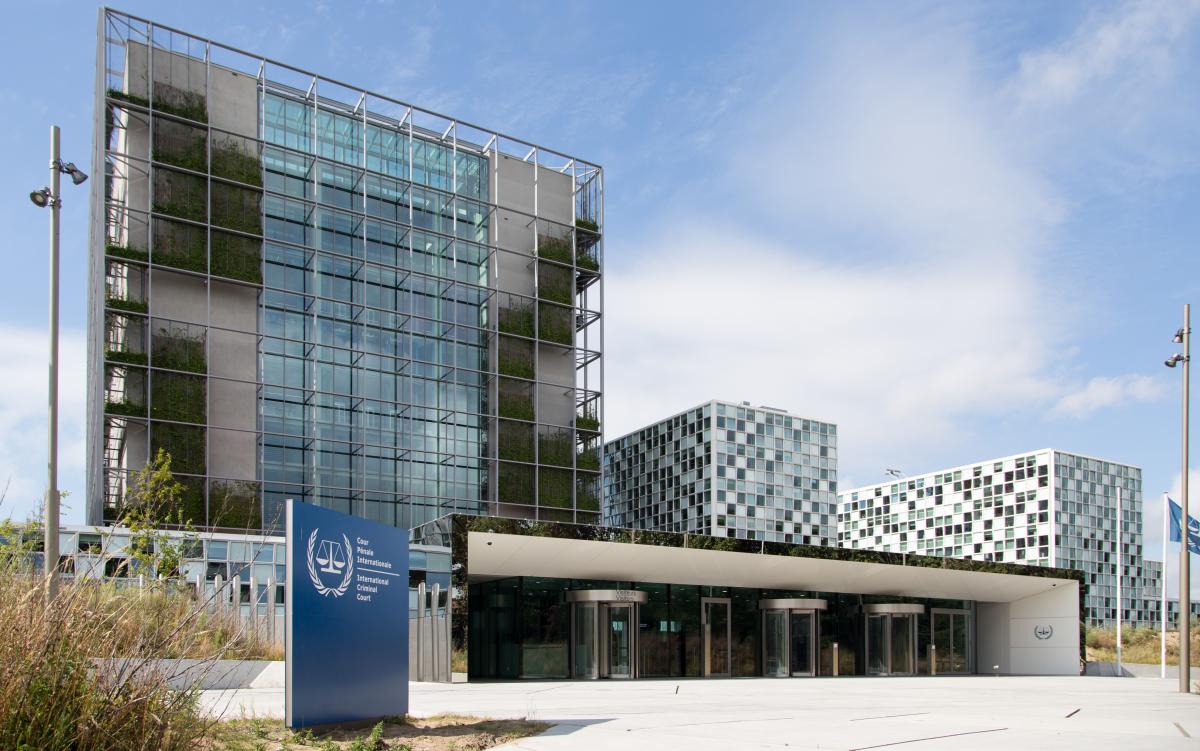
Today, the United States has imposed sanctions on the International Criminal Court as an institution. This unprecedented step follows a series of designations against thirteen independent Judges and prosecutors who serve the cause of justice.
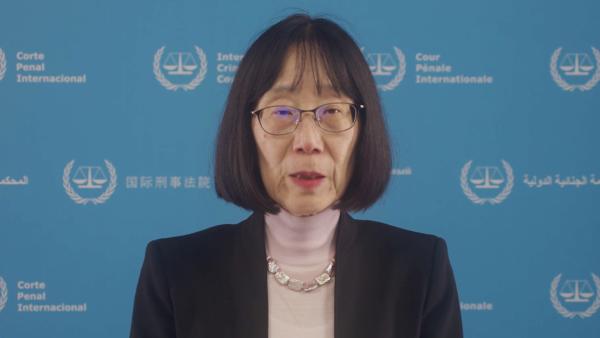
ICC rejects US sanctions against the institution
This measure targets an independent judicial institution, created by treaty and entrusted by 125 States Parties with investigating and prosecuting genocide, crimes against humanity, war crimes, and the crime of aggression. It is an attempt to obstruct the course of justice and to prevent the Court from doing what it was created to do. It is an assault on the rule of law and on the very foundations of the international legal order which strikes at the simple principle that no one stands above the law.
The designation is aimed at disrupting the Court’s operations and at intimidating those who work for or cooperate with the Court. The Court, for its part, will not be deterred. “The Court will continue to fully discharge its mandate, with independence and impartiality, acting only on the basis of the law and the evidence, for the sake of the countless victims of grave crimes” said ICC President Tomoko Akane.
Yet the Court cannot stand alone. Its fate now rests also in the hands of the States that created it. The Rome Statute is a collective promise that the most serious crimes of concern to the international community as a whole must not go unpunished. That promise is only as strong as the resolve of those who made it.
There may be challenges. But, together with its States Parties, the Court has made considerable efforts to ensure the continuity and resilience of its activities. The Court calls upon States to continue taking concrete actions, including to ensure that the Court continues to have the necessary means to continue its work. This is not just about defending a single institution, but about safeguarding the international order grounded upon the rule of law.
No one should be punished for serving the cause of justice. History will judge this moment. Future generations, and above all the victims of mass atrocities, will ask how we responded when an institution created to protect them came under attack. They will ask whether the Court held firm and whether the international community defended the principles it proclaimed or allowed them to be abandoned under pressure.
For further information, please contact the ICC Public Affairs Unit: PublicAffairs.Unit@icc-cpi.int . You can also follow the Court’s activities on Twitter/X, Facebook, YouTube, Instagram and Flickr.
Hoy, Estados Unidos ha impuesto sanciones a la Corte Penal Internacional como institución. Esta medida sin precedentes se produce tras una serie de designaciones contra trece jueces y fiscales independientes que sirven a la causa de la justicia.
Esta medida se dirige a una institución judicial independiente, creada por tratado y a la que 125 Estados Partes han encomendado la investigación y el enjuiciamiento del crimen de genocidio, crímenes de lesa humanidad, crímenes de guerra y el crimen de agresión. Se trata de un intento de obstruir el curso de la justicia e impedir que la Corte cumpla la función para la que fue creada. Es un ataque al Estado de derecho y a los fundamentos mismos del orden jurídico internacional, que atenta contra el principio fundamental de que nadie está por encima de la ley.
La designación busca perturbar las operaciones de la Corte y a intimidar quienes trabajan para ella o colaboran con ella. La Corte, por su parte, no se dejará amedrentar. « La Corte seguirá cumpliendo plenamente su mandato, con independencia e imparcialidad, actuando únicamente sobre la base de la ley y las pruebas, en beneficio de las innumerables víctimas de crímenes graves », declaró la Presidenta de la CPI, Tomoko Akane.
Sin embargo, la Corte no puede mantenerse por sí sola. Su destino depende ahora también de los Estados que la crearon. El Estatuto de Roma es una promesa colectiva de que los crímenes más graves que afectan a la comunidad internacional en su conjunto no deben quedar impunes. La solidez de esa promesa depende de la determinación de quienes la formularon.
Es posible que surjan desafíos. No obstante, junto con sus Estados Partes, la Corte ha realizado esfuerzos considerables para garantizar la continuidad y la resiliencia de sus actividades. La Corte insta a los Estados a seguir adoptando medidas concretas, incluidas aquellas destinadas a asegurar que la Corte disponga de los medios necesarios para proseguir su labor. No se trata solo de defender una institución, sino de salvaguardar el orden internacional basado en el Estado de derecho.
Nadie debería ser sancionado por servir a la causa de la justicia. La historia juzgará este momento. Las generaciones futuras, y sobre todo las víctimas de atrocidades masivas, se preguntarán cómo respondimos cuando una institución creada para protegerlas fue objeto de ataques. Se preguntarán si la Corte se mantuvo firme y si la comunidad internacional defendió los principios que proclamaba o permitió que fueran abandonados bajo la presión.
فرضت الولايات المتحدة اليوم عقوبات على المحكمة الجنائية الدولية كمؤسسة. وتأتي هذه الخطوة غير المسبوقة عقب سلسلة من الإجراءات التي استهدفت قضاة مستقلين ومسؤولي ادعاء، بلغ عددهم ثلاثة عشر، ممن يعملون في سبيل العدالة.
ويمثل هذا الإجراء استهدافاً لمؤسسة قضائية مستقلة منبثقة عن اتفاقية، كلَّفتها 125 دولة طرفاً بالاضطلاع بالتحقيق والملاحقة القضائية في الإبادة الجماعية والجرائم ضد الإنسانية وجرائم الحرب وجريمة العدوان. إنها محاولة لعرقلة مسار العدالة ولحرمان المحكمة من إنجاز ما أُنشأت لأجله. إن في هذا اعتداءً على سيادة القانون، واعتداءً مباشراً على مقومات النظام القانوني الدولي، إذ يضرب بالمبدأ البديهي القائل بألَّا أحد فوق القانون.
إن الـمُراد من هذا العقوبات هو تعطيل أعمال المحكمة وتهديد من يعمل فيها أو يتعاون معها. ولن يفتَّ ذلك في عضد المحكمة. وقد صرحت السيدة توموكو أكاني، رئيسة المحكمة الجنائية الدولية بأن ’’المحكمة ستواصل الاضطلاع بولايتها اضطلاعاً كاملاً، باستقلالية وحياد، مستندة في عملها إلى القانون والأدلة فحسب، خدمة لضحايا الجرائم الخطِرة، الذين لا يُحصوا ولا يُعدوا‘‘.
لكن لا يسع المحكمة أن تكون منفردة. إن مصيرها اليوم بيد الدول التي أنشأتها. فنظام روما الأساسي يمثل وعداً جماعياً بألَّا تبقى أخطر الجرائم التي تثير قلق المجتمع الدولي ككل دون حساب. وهو وعد لا قوة له إلا بما عند أصحابه من عزم.
إن التحديات واردة الحدوث، لكن المحكمة بذلت جهوداً كبيرة، إلى جانب الدول الأطراف فيها، لتضمن استمرار أنشطتها وتحصِّنها. وتدعو المحكمة الدول إلى مواصلة اتخاذ تدابير ملموسة، بما في ذلك ما يضمن حيازة المحكمة الموارد الضرورية للاستمرار في عملها. ولا يتمحور الأمر هنا على الذود عن مؤسسة بعينها فحسب، بل على حفظ النظام الدولي الـمُؤسَّس على سيادة القانون.
فلا يجوز أن يُعاقب أحد بسبب خدمته للعدالة. وسيحكم التاريخ على هذه اللحظة. ولَتَسْأَلَنَّ أجيال قادمة، ولَيَسْأَلَنَّ المجني عليهم قبل غيرهم، أي من نالت منهم فظائع كبرى، كيف رددنا عندما هوجمت مؤسسة مُنشأة لحمايتهم. لَيَسْأَلُنَّ ما إن كانت المحكمة قد صمدت، وما إن كان المجتمع الدولي قد نَصَرَ المبادئ التي ادعاها أو تُراه تخلى عنها بدافع الضغوط.